There are mornings when the post contains bills and mornings when it contains something else. Thursday was, for Augustin Fell, the second kind.
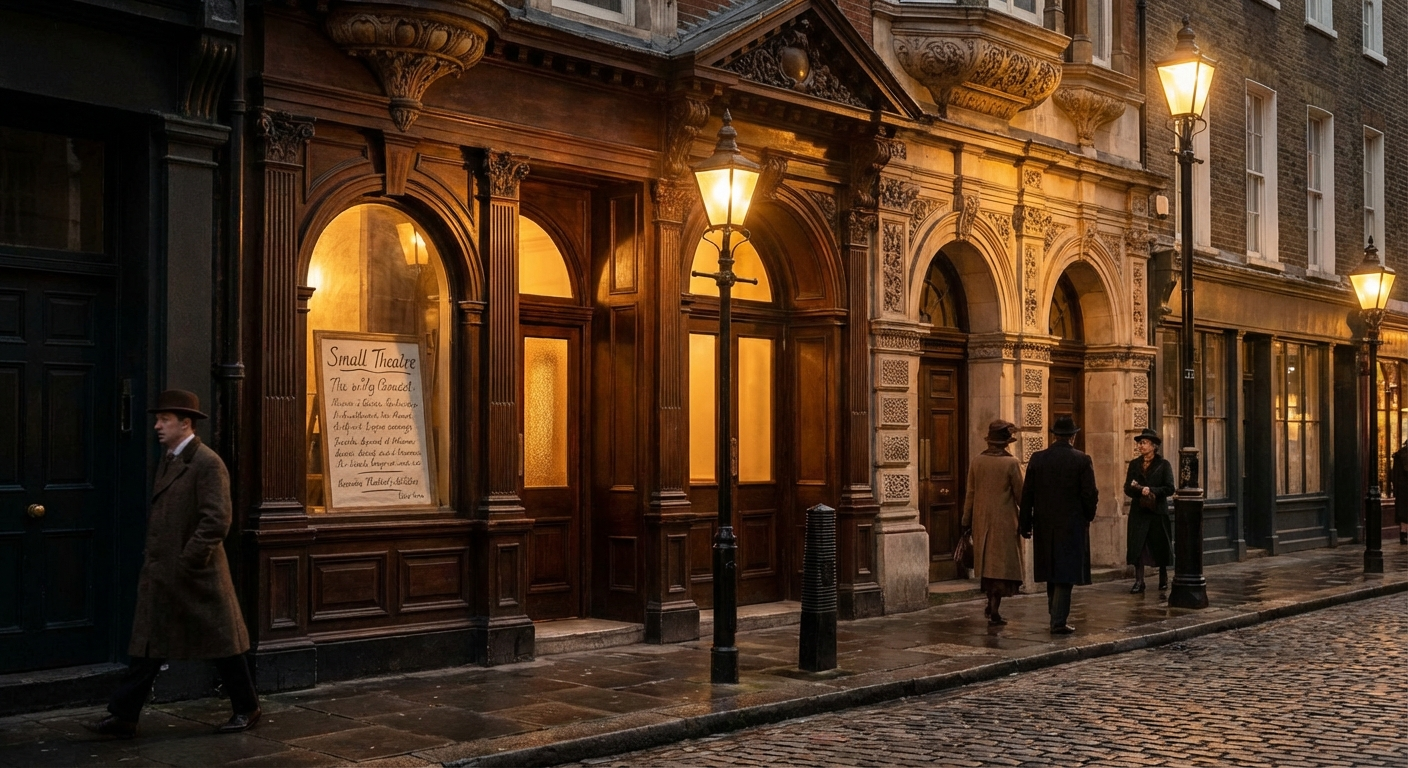
The Arts Council’s letter arrived at the Bellvue Theatre on Marchmont Street by messenger at 11:00 AM — a formal notification that the Council had approved an emergency heritage grant of 35,000 florins toward the theatre’s fly tower repairs, payable in two instalments: 20,000 florins immediately and 15,000 upon commencement of structural work.
Fell read the letter in the wings, where the set construction crew was assembling the framework for the lit-streets scene in Act Three. He read it twice. Then he sat down on a paint-spattered chair and was quiet for approximately thirty seconds — which, for a man who has been talking about money for three months, constituted an event.
“Thirty-five thousand,” he said. “It isn’t everything. But it’s the Arts Council saying: this building matters. This theatre matters. That is worth more than the money.”
The Numbers
The grant brings the Bellvue’s fundraising total to approximately 108,000 florins — 60 per cent of the 180,000 needed to complete the fly tower repairs by the 1 May deadline set by the structural engineer. The remaining 72,000 must come from ticket sales, private donations, and the benefit night on 15 March.
The benefit night — for which more than half of the 380 seats have already been reserved — is expected to generate 6,000 to 8,000 florins if it sells out. Ruben Glass, the Caldwell-based actor who began his career at the Bellvue in 2011 and whose telegram of support has been framed in the theatre lobby, will attend in person.
“The benefit night has become something larger than a fundraiser,” Fell said. “It is becoming a statement about what Marchmont Street means to this city. People who have never been to the Bellvue are buying tickets.”
The Marchmont Street Traders’ Association, whose door-to-door collection raised 4,200 florins, is organising a pre-show reception at Carmichael’s tea room next door.
The Rehearsals
The play advances. Fell’s company has reached the third act — the climactic sequence in which Edmund Vale defies the City Council and personally oversees the installation of gas lamps in the Docklands. Thomas Ashworth, who plays Vale, has been working through the lit-streets scene since Tuesday evening, building on the breakthrough in the Council confrontation that Fell described as “the emotional key to the whole production.”
Nessa Holloway, as Vale’s daughter Clara, has been developing what Fell calls “a kind of stubborn tenderness” that will anchor the play’s final scene — a moment between father and daughter in the light of the first new lamp.
“We have five weeks,” Fell said. “The money is nearly there. The play is nearly there. And the building —” he looked up at the fly tower, where daylight was visible through a gap in the sheeting that had been there for two years — “the building will hold.”
The Hargrove Classification
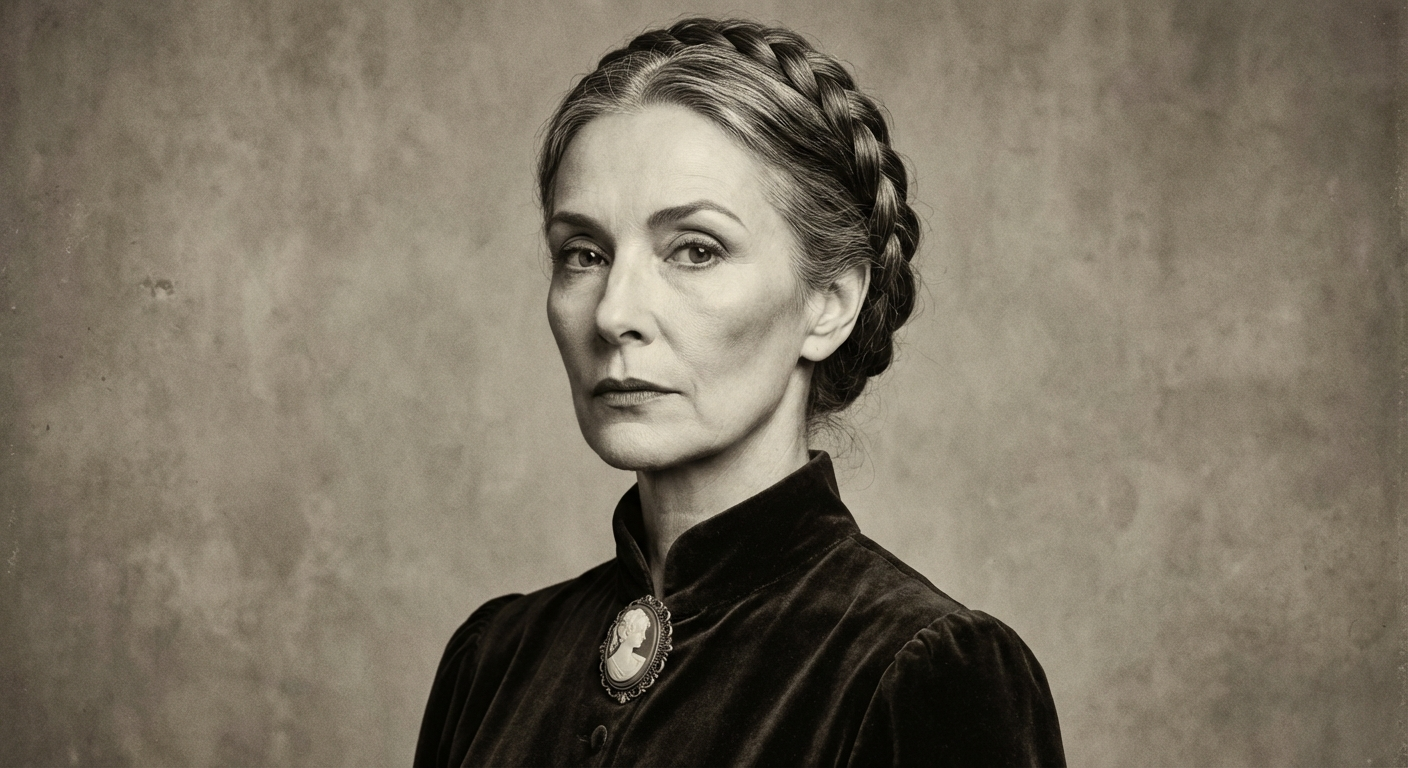
In a separate announcement, the Arts Council awarded “exceptional cultural significance” status to the Isolde Hargrove retrospective at the Royal Bobington Gallery — a classification that carries no direct funding but unlocks eligibility for extended exhibition support and increased institutional lending from national collections.
Gallery Director Simone Aldair said the classification was “a recognition of what the city has known since the opening weekend — that this exhibition has become a civic event.” Attendance has surpassed 40,000 visitors, with timed entry managing capacity smoothly. Thursday evening openings will begin next week.
Hargrove, reached through an intermediary, had no comment. This surprised no one.