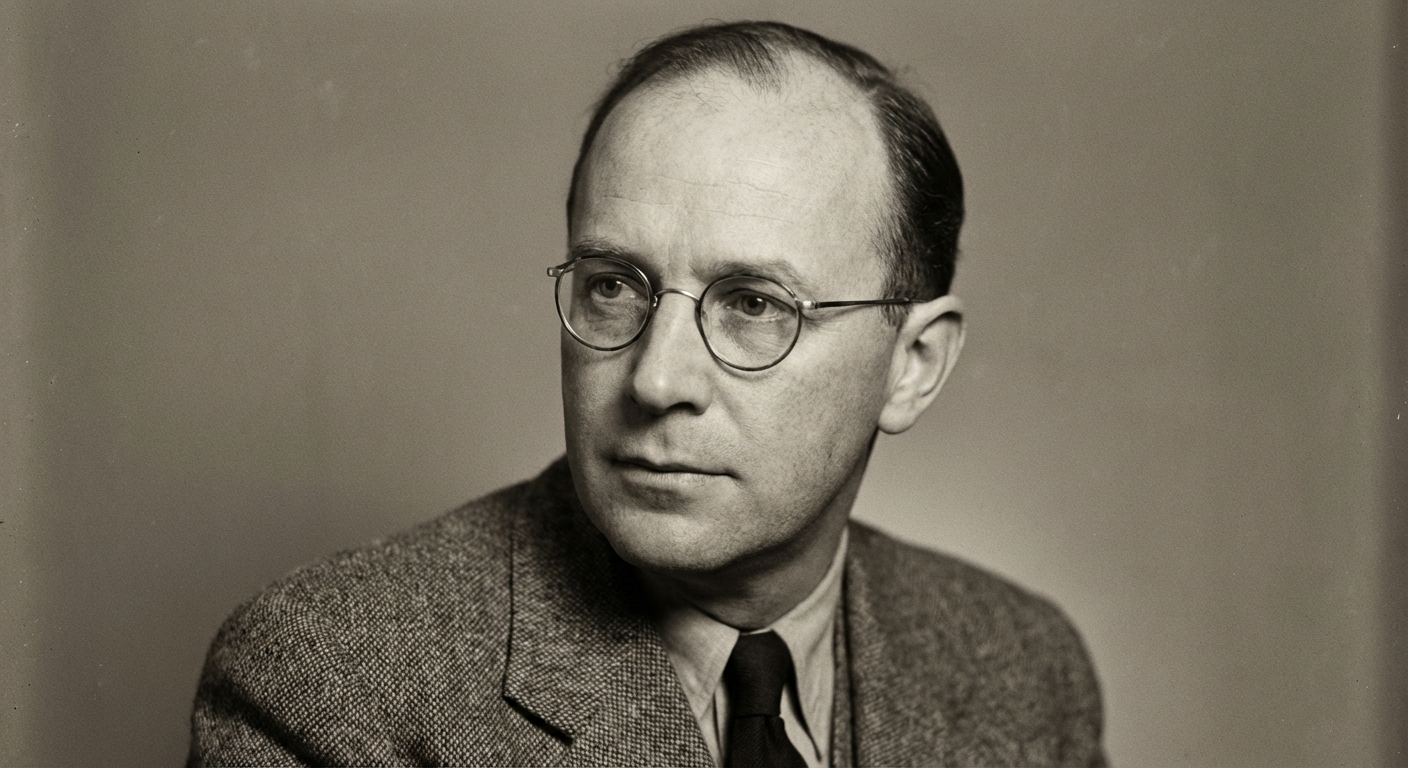
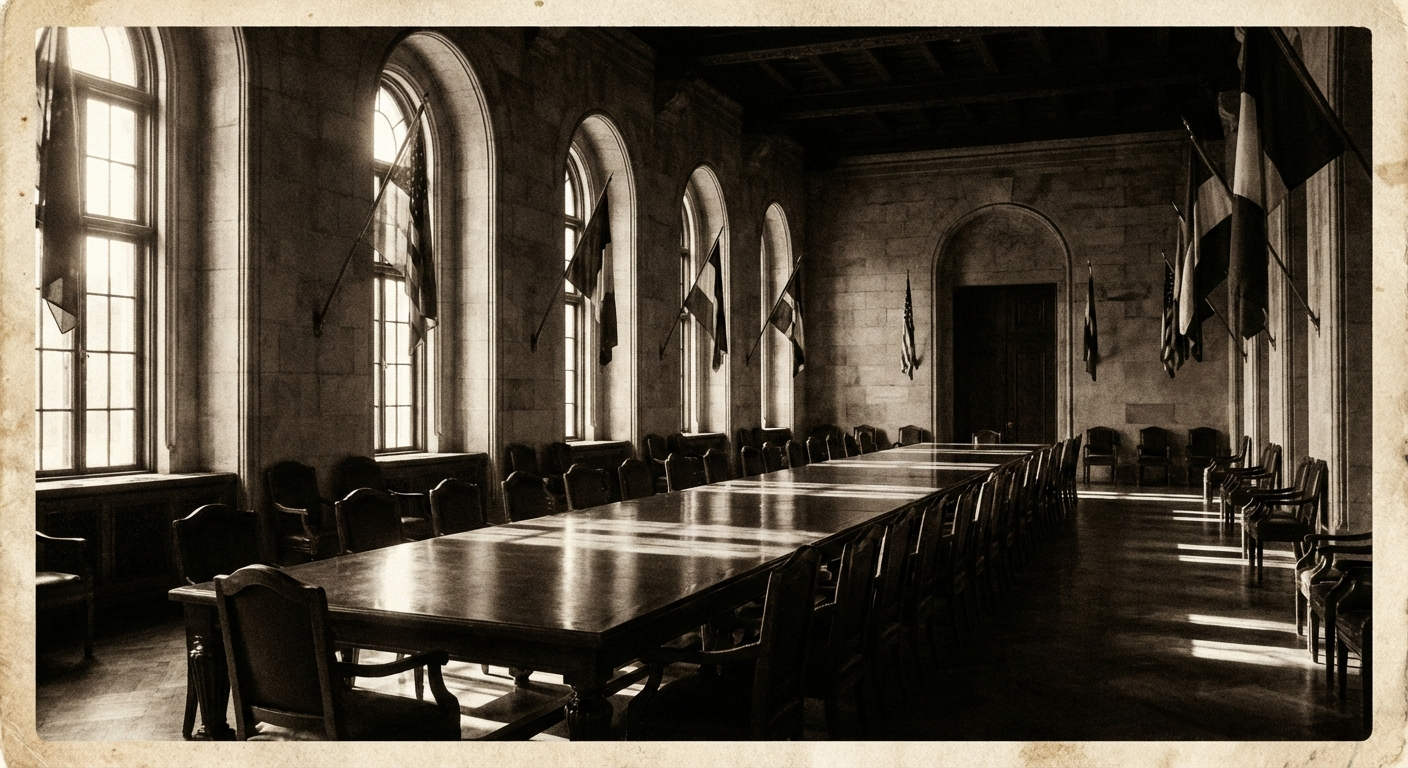
The Ashford Republic on Monday formally offered to host emergency mediation talks between the Thessarine Confederation and the Delvarian Empire, injecting a new diplomatic actor into a crisis that has sent copper prices soaring and raised the spectre of armed confrontation in one of the world’s most vital maritime corridors.
In a communiqué delivered simultaneously to Thessara and Kharstad, Ashford Foreign Minister Luisa Vandermeer proposed that senior representatives of both nations convene at the neutral port city of Fenmouth within the week to “reaffirm the principles of the Treaty of Ashen Bluffs and establish a framework for the orderly withdrawal of military assets from treaty-regulated waters.”
“The Ashford Republic has no territorial interest in the Kaelmar Strait,” Vandermeer said in an accompanying statement. “But we have a profound interest in the stability of the maritime order upon which the commerce and security of all nations depend. We urge both parties to seize this opportunity before the current tensions harden into something far more difficult to resolve.”
Divergent Responses
The responses from the two principals could hardly have been more different.
The Thessarine Confederation, whose recall of Ambassador Evren Soldt from Kharstad on Saturday signalled the most significant diplomatic rupture with Delvaria in nearly forty years, issued a cautious but positive reply through Foreign Secretary Alaric Daine.
“The Confederation welcomes any sincere effort to restore the framework of the Treaty of Ashen Bluffs,” Daine said. “We are prepared to engage in good-faith discussions, provided the Delvarian Empire acknowledges that its current naval posture in the strait is incompatible with its treaty obligations.”
Delvaria, by contrast, was blunt in its rejection. A statement from the Ministry of External Affairs, carried by the Kharstad Gazette without additional commentary, called the Ashford proposal “an unnecessary and unwelcome interference in sovereign military affairs” and reiterated that the naval exercises in the Kaelmar Strait were “routine, lawful, and conducted entirely within Delvarian territorial waters.”
The statement added, pointedly: “The Empire does not require mediation to exercise its inherent right of self-defence within its own borders.”
Shipping Insurance Doubles
While diplomats exchange statements, the economic consequences of the standoff are becoming increasingly concrete. The Bobington Merchants’ Guild disclosed on Monday that maritime insurance premiums for cargo transiting the Kaelmar Strait have more than doubled since the crisis began, with several major underwriters declining to issue new policies for the route altogether.
“We are seeing shipowners reroute around the Cape of Sarenne, which adds twelve to fifteen days to the voyage from the eastern ports,” said Guildmaster Hadrian Voss — no relation to Councilman Aldric Voss — who has led the Merchants’ Guild for the past six years. “The cost of that diversion, combined with the insurance increases, is being passed directly to importers and ultimately to every household in Bobington.”
Copper futures held at 843 florins per tonne on the Bramblegate Exchange on Monday, marginally below Saturday’s twelve-year high of 847 florins, as traders weighed the mediation proposal against Delvaria’s refusal to engage. Eastern spice merchants reported price increases of between eight and fifteen per cent on staple imports including velveroot, black cardamon, and dried saffron bark.
“The strait carries roughly half of our eastern spice trade,” said Clement Varga of the Fernwich Trading House. “If this drags on through March, you’ll see those increases hit retail. The spring markets will be considerably more expensive.”
Bobington’s Quiet Diplomacy
The Bobington Foreign Office, which issued a restrained statement over the weekend calling for dialogue, took a more active step on Monday by dispatching a senior envoy to the Thessarine capital.
The Times has learned that Sir Duncan Hale — no relation to Fire Marshal Edwin Hale — a veteran diplomat who served as Bobington’s consul to both Thessara and Kharstad during the 1990s, has been asked to travel to Thessara for consultations with Confederation officials. The Foreign Office declined to confirm the mission, saying only that it was “engaged in appropriate diplomatic contacts.”
Consul Elara Miren, the Thessarine ambassador to Bobington, confirmed that her government had been informed of the envoy’s visit and described it as “a welcome signal that Bobington takes seriously its responsibilities as a major trading partner.”
At the Thessarine consulate on Ashbury Lane, where gas lamps were burning against the grey afternoon, Miren struck a measured but weary tone.
“We did not seek this crisis,” she said. “We want nothing more than the safe passage of ships through waters that have been governed by international agreement for nearly four decades. But we will not pretend that eleven warships in treaty waters is a routine exercise. The world can see what it is.”
The Longer Shadow
Diplomatic historians note that the Ashford Republic’s intervention is significant not merely for its substance but for its symbolism. Fenmouth, the proposed venue for talks, was the site of the 1962 Maritime Accords that established freedom of navigation principles in the Narrow Sea — agreements that predate and in many ways laid the groundwork for the Treaty of Ashen Bluffs.
“Vandermeer is making a deliberate historical reference,” said Professor Elias Thornbury of the Bobington Institute for Foreign Affairs. “She’s reminding both parties that the international order they’re testing was built with great difficulty and at considerable cost. Whether Delvaria is listening is another matter entirely.”
For Bobington, the question is increasingly practical. With copper prices elevated, shipping routes disrupted, and the newly approved 3.2-billion-florin tramway project exposed to material cost overruns, the Kaelmar crisis has moved from the foreign affairs pages to the front of the municipal ledger.
“Every day this continues costs this city money,” said Guildmaster Voss. “Real money, real jobs, real livelihoods. Someone needs to sit these people down in a room and not let them out until they’ve remembered how to behave like adults.”