The machinery of peace, it turns out, will be assembled on Chancery Row.
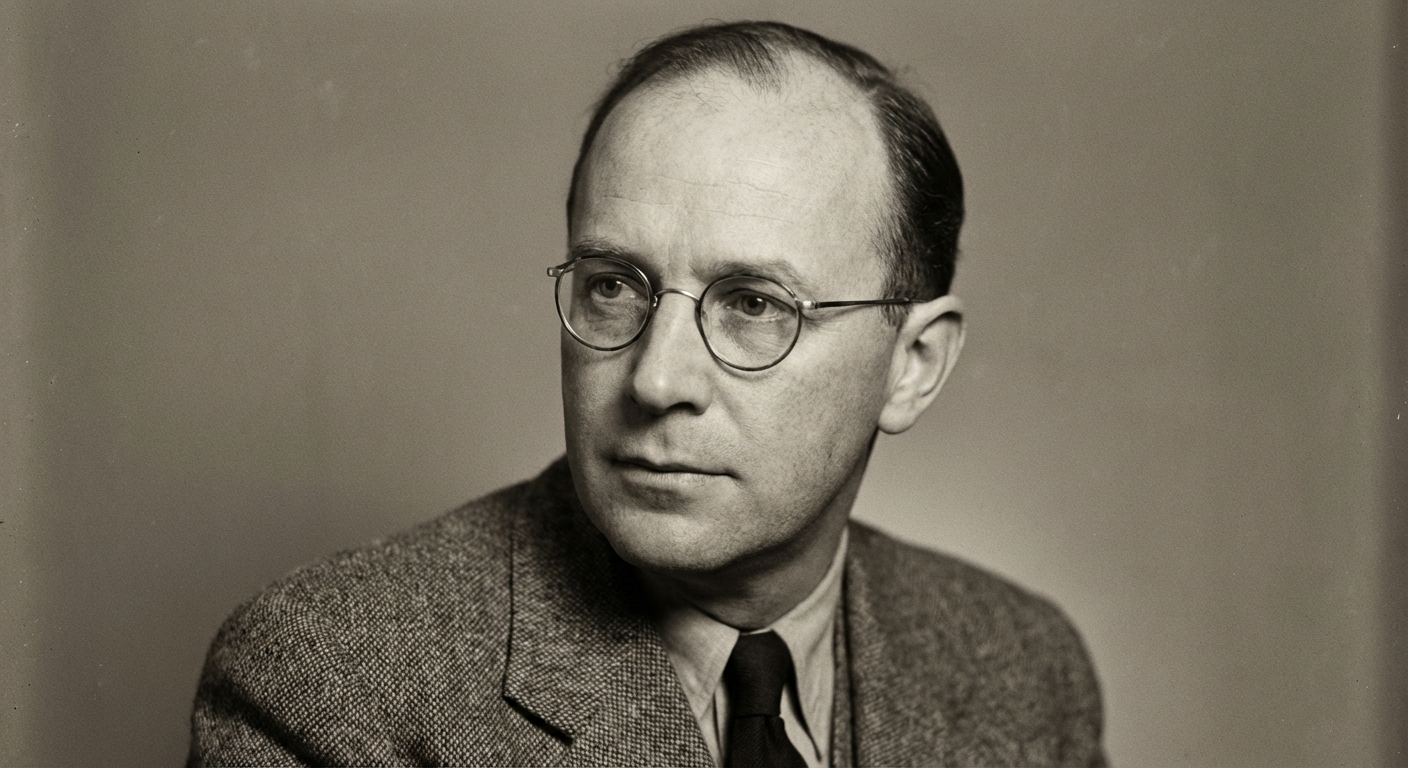
Diplomatic sources confirmed late Thursday evening that Bobington has been agreed as the venue for the first meeting between Count Viktor Soren, the Delvarian Empire’s newly designated quiet channel envoy, and Sir Duncan Hale, the Bobington diplomat who conceived the framework now bringing the two sides to the table.
The Thessarine Confederation’s participation is expected through the senior aide already assigned to Hale by Foreign Secretary Alaric Daine — a trilateral arrangement conducted, in keeping with the quiet channel’s architecture, through bilateral conversations rather than a formal multilateral sitting.
The first session is expected early next week, though no specific date has been confirmed. The Foreign Office on Chancery Row is understood to have begun logistical preparations.
The Logic of the Venue
The choice of Bobington was, in retrospect, the most logical option among several that had been under discussion since Soren’s designation on Wednesday.
Fenmouth — the Ashford Republic port city that hosted the 1962 Maritime Accords — had been Vandermeer’s original proposal for Kaelmar mediation, but Delvaria’s explicit condition of bilateral talks without Ashford Republic involvement made a venue on Ashford soil impractical. Thessara and Kharstad were each unacceptable to the other party. A neutral location elsewhere would have required establishing diplomatic infrastructure from scratch.
Bobington, by contrast, offers existing consular presence for both nations — Consul Pehr Lindqvist for Delvaria, Consul Elara Miren for Thessara — along with a Foreign Office already coordinating the quiet channel’s mechanics and a city with no territorial interest in the strait itself.
“The geography of peace is always practical,” said Professor Elias Thornbury of the Bobington Institute for Foreign Affairs. “You meet where the doors are already open and the telegraph lines already run.”
Soren’s Arrival
Count Soren is understood to be travelling from Kharstad and is expected to arrive in Bobington over the weekend. His delegation is described as small — no more than three or four officials — consistent with the quiet channel’s emphasis on discretion over ceremony.
Sir Duncan Hale, currently in Thessara, is expected to return to Bobington before the first meeting. His departure from the Thessarine capital was described by a Foreign Office source as “orderly and pre-arranged,” suggesting the venue decision had been in preparation for several days.
Consul Lindqvist, whose meetings at the Foreign Office earlier this week are now understood to have included logistical coordination for the talks, declined to comment. The Delvarian consulate on Ashbury Lane was observed receiving an unusually large diplomatic pouch on Thursday afternoon — a detail that speaks, perhaps, more loudly than any communiqué.
Market Response
Copper on the Bramblegate Exchange fell to 872 florins per tonne in late trading on Thursday, down from 878 at Wednesday’s close and continuing the sharpest sustained decline since the crisis began. The metal has now lost 19 florins in two days — a pace that reflects not resolution but the market’s assessment that resolution has become structurally possible.
“The market is not pricing peace,” said Clement Varga, senior analyst at Fernwich Trading House. “It is pricing the probability of peace. That probability has risen meaningfully this week.”
The Kharstad Gazette — whose editorial silence has been the most reliable barometer of Delvarian diplomatic intent — ran a brief item on the venue decision on page three. The placement was neither prominent nor dismissive: the studied neutrality of a state organ that has been told to let events proceed.
What Comes Next
The quiet channel remains, by design, opaque. Its proceedings will not be published. Its participants will not hold press conferences. Its timeline is undefined.
What can be said is this: for the first time since the Delvarian Northern Fleet appeared in the Kaelmar Strait on the 15th of February, representatives of both nations will sit in the same city, in rooms prepared for the purpose of conversation, with a framework designed to let them speak frankly without the weight of public expectation.
Whether they will speak productively is another matter. The conditions that created the crisis — Delvarian assertion of sovereignty, Thessarine defence of treaty rights, the fundamental question of who controls the northern channel — remain unresolved. Count Soren and Sir Duncan Hale cannot, in a quiet room on Chancery Row, settle questions that have vexed the Kaelmar region for generations.
But they can begin. And beginning, as Thornbury observed, is the part that matters.
“No treaty was ever signed that was not first discussed,” he said. “And no discussion was ever held that did not start with someone booking a room.”