The door to the converted records room on the ground floor of the Foreign Office closed at half past nine on Tuesday morning. It did not open again until nearly two o’clock in the afternoon.
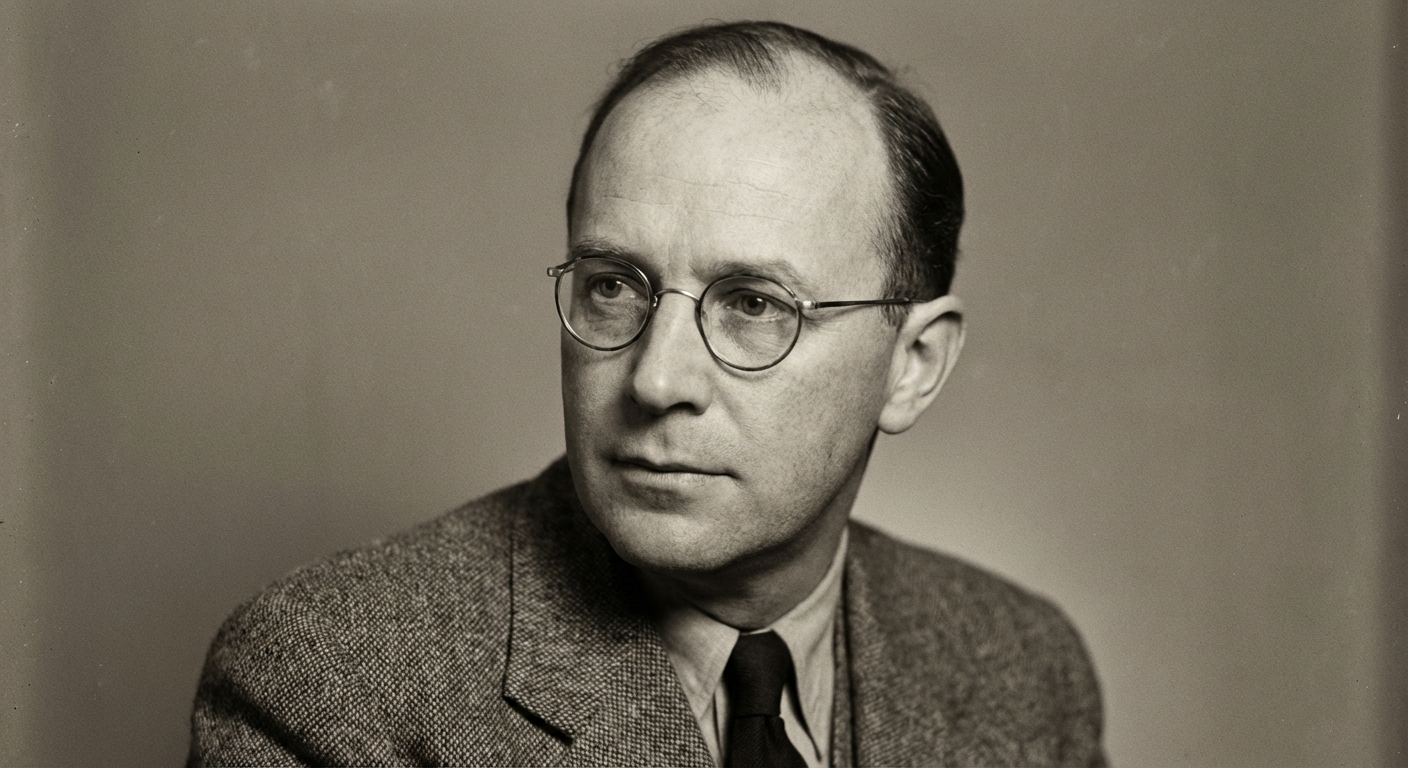
Inside, for approximately four hours, Count Viktor Soren — the Delvarian Empire’s designated envoy, career moderate, son of the admiral who helped negotiate the Treaty of Ashen Bluffs — sat across a table from Sir Duncan Hale, the Bobington diplomat who spent two weeks in Thessara building the framework that brought them both to this room.
No communiqué was issued. No joint statement. No photograph. Both men departed through separate exits — Soren via Alderman’s Yard into a waiting consular car, Hale through the main corridor into the Foreign Office proper. Undersecretary Helena Marchetti, who had prepared the room and its protocols, was seen leaving shortly after Hale.
A Foreign Office spokesman confirmed only that “the first session of the quiet channel took place today at Chancery Row” and that “both parties have agreed to further discussions.” No date for a second session was announced.
It is, by any diplomatic measure, a beginning.
What We Know
The session began at approximately 9:30 AM. Consul Pehr Lindqvist was observed arriving at the Delvarian consulate on Ashbury Lane at 7:15 — unusually early — and departing again at 8:45, his car turning toward Chancery Row. Foreign Secretary Alaric Daine’s senior aide, who arrived in Bobington on Sunday and has been consulting with Hale but was never expected to sit at the table, was seen entering the Foreign Office via the main entrance at 8:50 and leaving at approximately 1:45 PM.
Whether the aide was in the room, in an adjacent room, or simply available in the building could not be confirmed. The trilateral architecture of the quiet channel — Soren bilateral with Hale, Thessarine participation through Daine’s aide — appears to be functioning, though its precise geometry remains deliberately opaque.
The Metropolitan Constabulary maintained a discreet presence near Chancery Row throughout the morning. Two officers were stationed at the Alderman’s Yard entrance; two more at the junction with Arundel Crescent. None were armed. Inspector Greaves, who coordinated security for the Rovers cup parade last month, is understood to be overseeing the arrangements.
The Markets Respond
Copper, which opened Tuesday at 868 florins per tonne, dipped steadily through the morning as word of the session’s duration spread through the trading floors of the Bramblegate Exchange. By the afternoon close, it had settled at 863 — its lowest point since 11 February, the day before the Delvarian naval buildup was first reported.
“Four hours is significant,” said Clement Varga of Fernwich Trading House. “A courtesy meeting lasts forty minutes. A difficult conversation that goes nowhere lasts ninety. Four hours means they had something to discuss, and neither side walked out.”
The Eastern Spice Index edged down to 342 — its fourth consecutive daily decline, though still 22 per cent above pre-crisis levels.
The Silence of Kharstad
The Kharstad Gazette, which has published no editorial commentary on the diplomatic process for eight consecutive days — its longest period of restraint since the crisis began — ran a four-line item on page six of its Tuesday edition noting that Count Soren “continues diplomatic consultations abroad.” It appeared below the grain futures and above the weather forecast for the Northern Provinces.
Professor Elias Thornbury of the Bobington Institute for Foreign Affairs, who has tracked the Gazette’s editorial posture throughout the crisis, called the continued silence “the most eloquent thing about this entire process.”
“When the Gazette is quiet, it is because someone in Kharstad has told it to be quiet,” Thornbury said. “And when someone in Kharstad tells the Gazette to be quiet for eight days running, it is because something is happening that they do not wish to jeopardise.”
What It Means
The quiet channel was always designed to operate in silence. No published agenda. No obligation to announce results. No preconditions — the Delvarian stipulation that Hale accepted from the outset. The absence of information is, paradoxically, the architecture working as intended.
What can be inferred is this: the session lasted long enough to suggest genuine engagement. Both sides agreed to further discussions, suggesting neither regards the process as exhausted after a single meeting. And the market, which has spent three weeks pricing in catastrophe, responded to the duration alone with the most significant copper decline in days.
The eleven warships of the Delvarian Northern Fleet remain in formation near the northern passage of the Kaelmar Strait. Thessarine garrisons on the island chain remain reinforced. The fourteen vessels rerouting via the Cape of Sarenne continue to add twelve to fifteen days to their voyages. None of the underlying tensions have been resolved.
But today, for the first time since Ambassador Soldt was recalled from Kharstad on 15 February, representatives of both nations sat in the same room and talked.
“The geography of peace is always practical,” Thornbury said last week when Bobington was confirmed as the venue. On Tuesday, the geography narrowed to a single windowless room on the ground floor of a building on Chancery Row, with two doors and no windows, where two men spent four hours deciding whether the world might hold together.
No one knows what was said. That is rather the point.