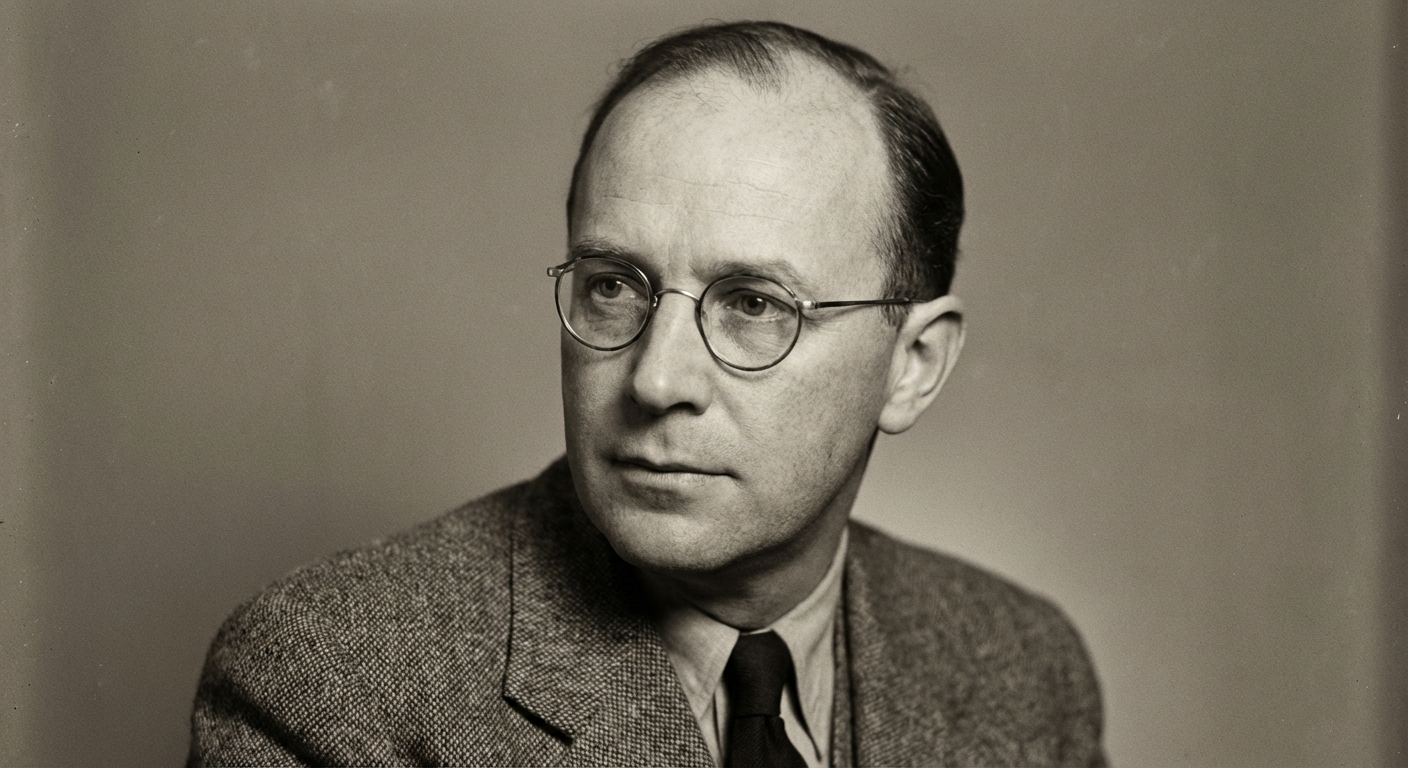
The rejection of the Ashford Republic’s proposed mediation at Fenmouth left the Kaelmar Strait crisis without a diplomatic track — a dangerous vacuum that Sir Duncan Hale appears to be attempting to fill with a proposal as understated as the man himself.
The Bobington envoy, who arrived in Thessara on Tuesday and spent the day in consultations at Confederation Hall, has outlined what diplomatic sources describe as a “quiet channel” — a framework in which Bobington would serve not as a mediator but as a facilitator of direct, private communication between the Delvarian Empire and the Thessarine Confederation.
The distinction is not semantic. It is, according to those familiar with Hale’s thinking, the entire point.
Why Fenmouth Failed
When the Ashford Republic’s Foreign Minister Luisa Vandermeer proposed emergency talks at Fenmouth on Monday, the Thessarine Confederation cautiously accepted. Delvaria dismissed the proposal within hours as “unnecessary interference in sovereign affairs.”
The rejection surprised few observers. Delvaria has long resisted multilateral frameworks, viewing them as mechanisms through which smaller powers constrain imperial prerogatives. The Fenmouth proposal — which would have gathered multiple nations around a table to discuss the Strait — played directly into this suspicion.
“The Delvarians have never submitted willingly to a room where they are outnumbered,” said Professor Elias Thornbury of the Bobington Institute for Foreign Affairs. “They will negotiate, but only if they believe the terms preserve their dignity and their freedom of action. Fenmouth offered neither.”
Hale, who served as Bobington’s consul to both Thessara in the early 1990s and to Kharstad later that decade, is said to understand this dynamic intimately. His proposal sidesteps the multilateral trap entirely.
The Framework
Details of the quiet channel remain deliberately sparse — discretion being, in Hale’s diplomatic philosophy, a feature rather than a deficiency. But sources in Thessara and at the Bobington Foreign Office have sketched its broad outlines.
Under the proposal, Bobington would establish a secure communication line between senior officials in Thessara and Kharstad — not through embassies, which have become politically radioactive since the recall of Ambassador Soldt, but through designated envoys who would operate outside the formal diplomatic apparatus. Hale himself would serve as the initial conduit, with the option of appointing a permanent channel officer if talks progress.
The framework would carry no preconditions, no published agenda, and no obligation to announce results. Its purpose, as one Thessarine official put it, would be “to allow both sides to explore whether there is ground beneath their feet before they are asked to walk on it.”
This architecture addresses Delvaria’s two principal objections to Fenmouth: the multilateral format and the public nature of the proceedings. Whether it addresses Delvaria’s apparent interest in maintaining the crisis for strategic leverage is another question.
Thessarine Reception
The Confederation’s response has been cautious but not dismissive. Foreign Secretary Alaric Daine met with Hale for approximately ninety minutes on Wednesday morning at Confederation Hall, after which neither party made a public statement — itself a positive sign, according to diplomatic veterans.
“In diplomacy, no comment is sometimes the best comment,” Thornbury observed. “A public rejection would have come quickly. The fact that Daine is taking time suggests he sees something worth considering.”
The Thessarine position remains, officially, that Delvaria must withdraw its naval forces from the northern passage and cease all live-fire exercises before substantive talks can begin. Whether the quiet channel could operate in parallel with this stated position — allowing informal exchanges while the formal precondition remains in place — is the delicate ambiguity on which Hale’s proposal rests.
The Delvarian Question
The critical unknown is Kharstad’s reaction. The Delvarian Ministry of External Affairs has made no public statement regarding Hale’s presence in Thessara or the nature of his discussions. The state-controlled Kharstad Gazette noted his arrival in a single paragraph on page six, describing him as “a Bobington trade official visiting the Confederation.” The characterisation — stripping Hale of his diplomatic significance — could be read as either dismissive or deliberately low-key.
Hale is understood to have communicated the broad outlines of his proposal to the Delvarian consul in Bobington, though the consul’s office declined to confirm or deny this on Wednesday.
“Delvaria will not accept anything that looks like a concession,” Thornbury said. “But a quiet channel gives them something they value above almost everything else: the ability to engage without being seen to engage. That may be enough.”
The Copper Factor
The diplomatic manoeuvring carries an urgency sharpened by the economic fallout in Bobington itself. Copper closed at 871 florins per tonne on Wednesday — nine florins above Tuesday’s close — and the Bramblegate Exchange reported its highest single-day trading volume in eastern commodity futures since records began.
As the City Council heard in harrowing detail on Wednesday morning, every day the crisis persists costs Bobington’s economy dearly. The tramway project alone faces a shortfall measured in hundreds of millions.
Whether Hale’s quiet channel can produce results before the economic damage becomes irreversible is the question that hangs over the Narrow Sea.
In Thessara, the envoy was reported to have dined on Wednesday evening with a small group of senior Confederation officials at a private residence — a setting far from the public eye. No details of the conversation were available.
Sir Duncan Hale has always preferred it that way.