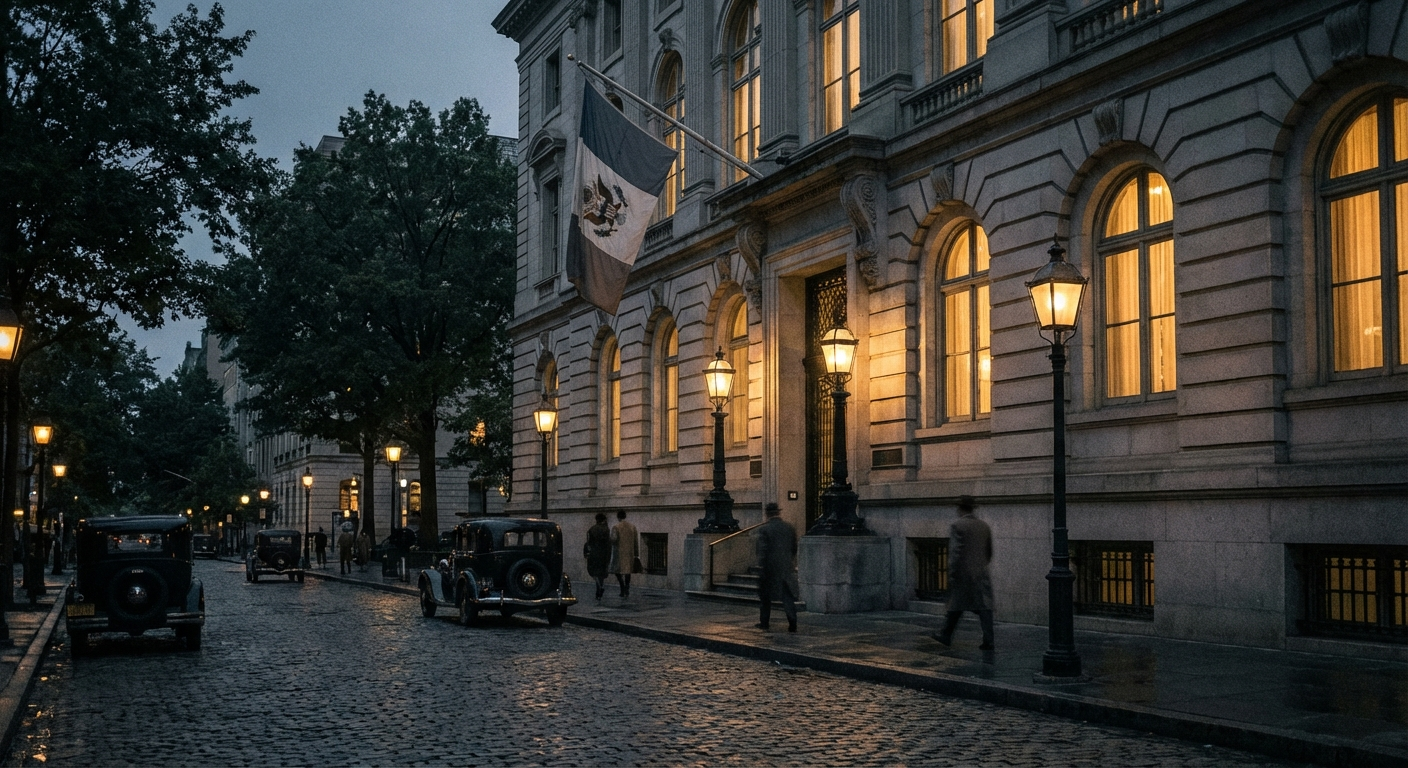
The lights in the Foreign Office on Chancery Row were lit before dawn on Monday and remained on well into the evening.
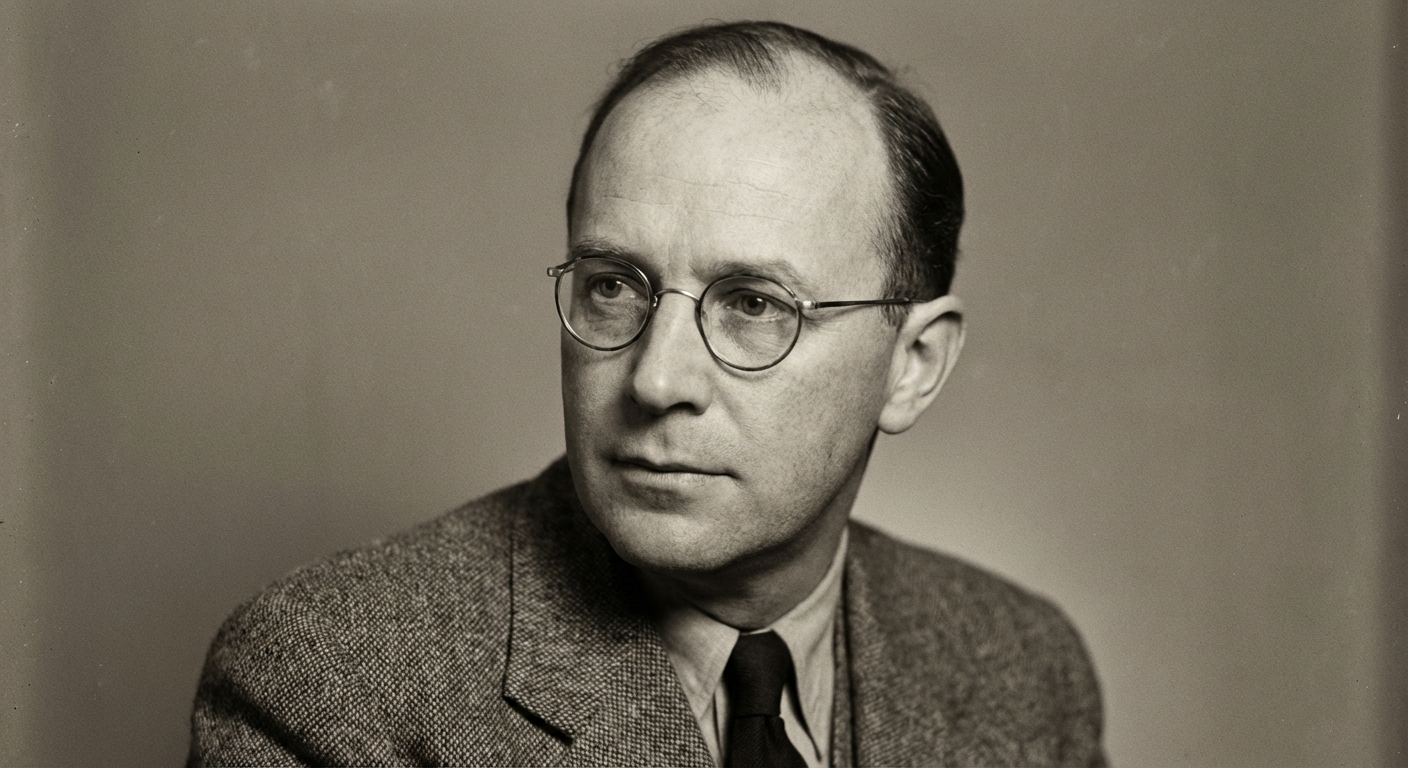
The third session of the quiet channel talks between Count Viktor Soren, representing the Delvarian Empire, and Sir Duncan Hale, representing Bobington’s diplomatic interests with Thessarine participation, began at 9:30 AM — precisely thirty minutes before the City Council convened two streets away for its own historic vote. It did not conclude until approximately 4:45 PM, making it comfortably the longest of the three sessions held to date.
The joint statement, released shortly after 5 PM, was notably more detailed than its predecessors.
“Monday’s discussions addressed matters of commercial substance, including the framework for a phased resumption of civilian maritime traffic through the Kaelmar Strait,” the statement read. “Concrete proposals were exchanged by both parties. The discussions were conducted in a spirit of constructive purpose. A fourth session will take place on Thursday, 12 March.”
Diplomatic sources, speaking on condition of anonymity, described the central document under discussion as a “Transit Corridor Framework” — a structured proposal for reopening the strait to commercial shipping under defined conditions. The framework is understood to contain four principal elements.
The Four Pillars
First, a designated transit corridor through the northern channel, with commercial vessels required to follow a specified routing and speed limitation. Second, an inspection protocol — the most sensitive element, given Delvarian insistence on sovereign control of northern channel waters. Sources suggest a compromise in which vessels submit cargo manifests in advance and are subject to random, rather than universal, inspection by Delvarian harbour authorities.
Third, an insurance framework. Tidewater Mutual’s Caspar Helmsley has not written a Kaelmar-route policy since 12 February; any reopening without a credible insurance mechanism would be commercially meaningless. The framework reportedly proposes a joint underwriting guarantee for a trial period, with details to be finalised.
Fourth, a review mechanism: a three-month trial period after which the corridor arrangement would be assessed by both parties and either extended, modified, or withdrawn.
The Thessarine role remains indirect but substantive. A senior aide from Foreign Secretary Daine’s office was again observed entering the Foreign Office during the session — the second time in successive sessions. Consul Miren’s consulate on Ashbury Lane was, as has become habitual, active past nightfall.
The Absent Fleet
The Northern Fleet remains in its positions in the northern channel. The joint statement made no reference to naval deployments, and sources indicate that military matters were not discussed on Monday.
This is diplomatically significant. The Transit Corridor Framework, if adopted, would establish a commercial reality alongside an unchanged military posture — a Delvarian concession on trade without any explicit concession on sovereignty. It is precisely the kind of face-saving architecture that Count Soren’s career has been built upon.
Professor Elias Thornbury, of the Bobington Institute for Foreign Affairs, observed that the framework’s structure echoed elements of the 1962 Maritime Accords negotiated at Fenmouth. “Soren knows those accords intimately,” Thornbury noted. “His father helped negotiate the naval provisions of the Treaty of Ashen Bluffs. The son appears to be building something similar — not a grand treaty, but a practical arrangement that makes the impractical unnecessary.”
The Market Responds
Copper, which opened Monday at 847 florins per tonne, fell steadily through the session. By the afternoon close on the Bramblegate Exchange, it stood at 838 — the lowest price since 7 February, the day before the Delvarian naval buildup was first reported.
The decline was driven by twin optimism: the Kaelmar framework and the council’s 11-0 vote for the phased tramway, which occurred while the talks were in progress. Clement Varga, of the Fernwich Trading House, called Monday “the first day since this crisis began that the market could see the shape of a resolution.”
The Eastern Spice Index closed at 321, its seventh consecutive daily decline.
What Remains
Thursday’s fourth session will be critical. The framework exists in draft; the details — particularly the inspection protocol and insurance mechanism — remain to be negotiated. Delvarian domestic politics, always opaque, present the greatest uncertainty. The Kharstad Gazette, which has maintained its studied silence since the talks began, ran a single-paragraph report on Monday’s session on page four, beneath an article about spring wheat planting.
Whether that silence is approval, indifference, or the calm before a reversal, no one in Bobington can say with confidence. But the shape of a corridor — literal and diplomatic — is now visible for the first time.
The lights on Chancery Row went out at 8:14 PM.