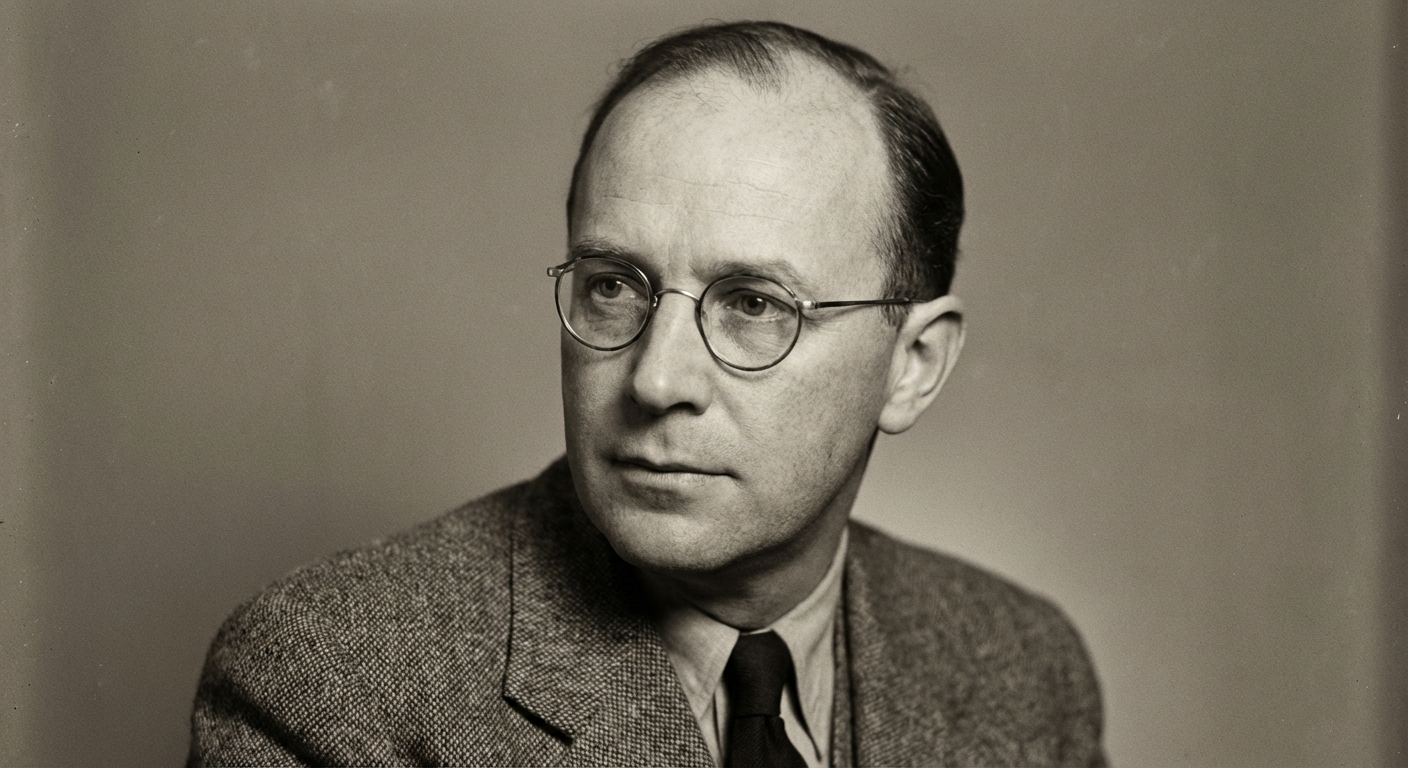
The 7:14 overnight express from the east pulled into Bobington Central Station fourteen minutes late on Saturday morning, delayed by signal trouble outside Edgeminster. Among its passengers was a tall, grey-haired man in a dark overcoat carrying a leather attaché case — Count Viktor Soren, the Delvarian Empire’s designated envoy to the quiet channel talks, arriving in the city where the fate of the Kaelmar Strait may be decided.
Consul Pehr Lindqvist was waiting on the platform. The two men shook hands — briefly, formally — and walked together to a waiting motorcar. A second vehicle followed, carrying three members of Soren’s staff and what diplomatic correspondents have learned to recognise as the particular volume of luggage that signals an extended stay.
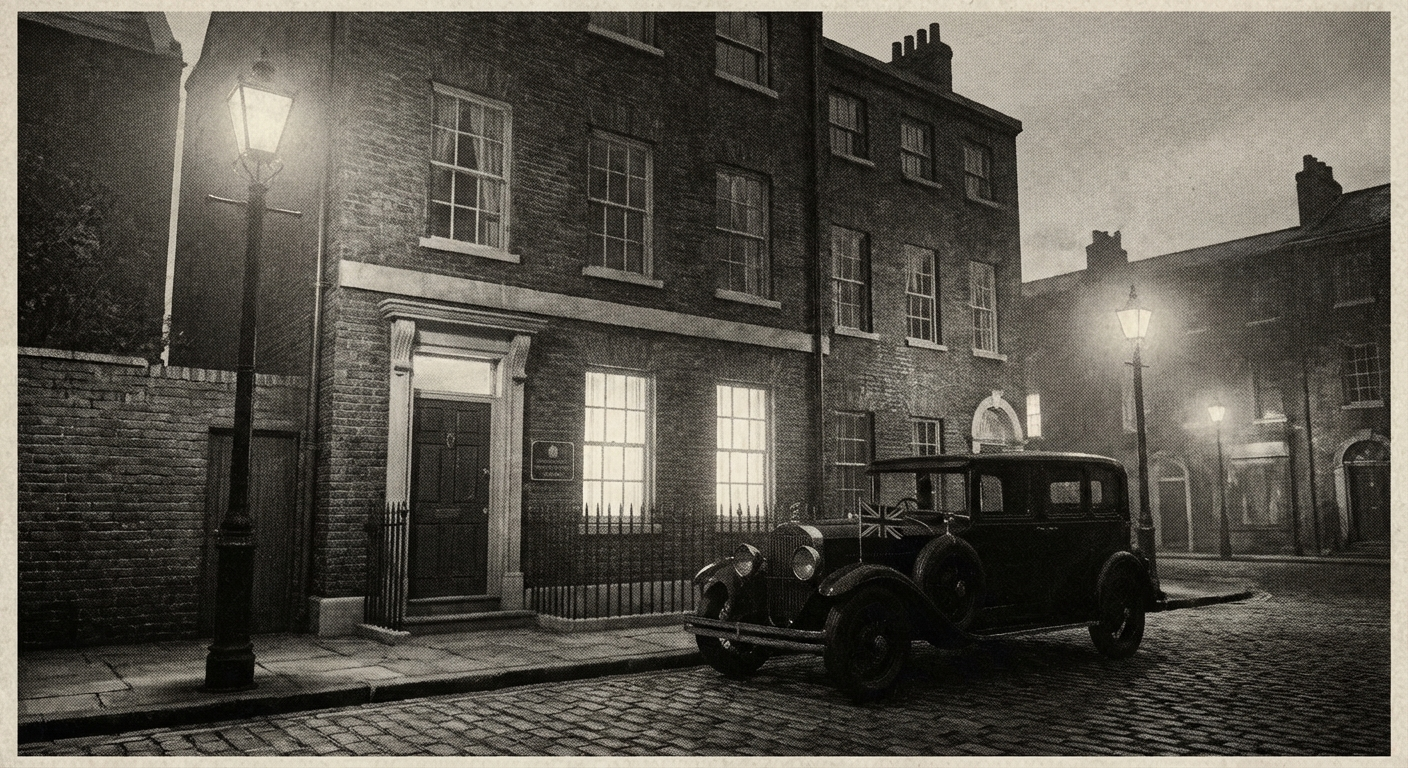
By nine o’clock, Soren was installed at the Delvarian consulate on Ashbury Lane, where the unusually large diplomatic pouch received on Thursday has been joined by what sources describe as “significant preparatory materials.” The consulate, a narrow Georgian townhouse between a bookseller and a tea merchant, has not previously hosted a figure of Soren’s seniority.
A Diplomat’s Pedigree
Count Viktor Soren is sixty-one years old, a career diplomat, and — unusually for a Delvarian envoy — a man whose reputation rests on listening rather than pronouncing. His seven years as ambassador to the Ashford Republic (2011–2018) were marked by the quiet resolution of three separate trade disputes without public acrimony. Foreign Minister Vandermeer of the Ashford Republic is reported to have called him “the most reasonable Delvarian I have ever negotiated with,” which in the Ashford diplomatic tradition counts as high praise.
His pedigree matters. His father, Admiral Pehr Soren, commanded the Delvarian Eastern Fleet in the 1980s and was instrumental in negotiating the naval provisions of the Treaty of Ashen Bluffs — the very treaty whose terms are now in dispute. The son chose diplomacy over a naval commission, a decision that was, by family accounts, neither easy nor universally approved.
“Viktor Soren is not a man who arrives somewhere by accident,” observed Professor Elias Thornbury of the Bobington Institute for Foreign Affairs. “His designation tells us that someone in Kharstad wants this to work. You do not send a moderate to a process you intend to collapse.”
Preparations on Chancery Row
Sir Duncan Hale, Bobington’s veteran envoy, is expected to return from Thessara on Sunday evening. His departure from the Thessarine capital was confirmed by the Foreign Secretary’s office in characteristically spare terms: “Sir Duncan’s consultations in Thessara have concluded satisfactorily.”
Sources indicate that Hale spent his final day in Thessara in extended meetings with the senior aide assigned by Foreign Secretary Alaric Daine as the Confederation’s primary interlocutor. The aide — whose identity has not been publicly confirmed — is understood to have provided Hale with a written outline of Thessarine priorities for the talks, a document that diplomatic observers regard as significant.
“Written positions are a sign of seriousness,” said Thornbury. “You do not commit priorities to paper unless you intend to negotiate from them.”
The first formal session of the quiet channel is anticipated for Tuesday, at the Foreign Office on Chancery Row. The format remains strictly bilateral: Soren representing Delvarian interests, Hale facilitating, with Thessarine participation channelled through Daine’s aide. The Ashford Republic remains formally excluded — a Delvarian condition that has been quietly accepted.
Undersecretary Helena Marchetti, who has managed the logistical dimensions of the talks, was seen arriving at the Foreign Office at seven o’clock on Saturday morning. Preparations are understood to include the designation of a dedicated meeting room, communications protocols, and — in a detail that speaks to the sensitivity of the enterprise — agreement on which doors the respective parties will use to enter and leave the building.
The Kharstad Gazette, Still Silent
The Kharstad Gazette, which has maintained a posture of studied neutrality since Count Soren’s designation on Wednesday, ran a brief item on Saturday’s front page noting his departure from Kharstad. The item, seven lines long, described the envoy as “travelling abroad on diplomatic business.” It was placed below an article about grain prices.
This is, by the standards of Delvarian state media, eloquent restraint. The Gazette’s silence continues to be read by diplomatic observers as evidence that the talks have active support at the highest levels in Kharstad.
“When the Gazette buries a diplomatic departure below grain prices, it is because someone has decided that the less said, the better,” Thornbury noted. “The machinery of peace prefers to operate without commentary.”
The City That Hosts
Bobington’s selection as venue was always practical rather than symbolic. Unlike Fenmouth — the Ashford Republic’s neutral port, where the 1962 Maritime Accords were signed — Bobington carries no multilateral associations that would trouble Delvarian sensibilities. Both nations maintain consular presences here. The Foreign Office on Chancery Row has hosted sensitive negotiations before, though none quite at this level of international consequence.
For the city, the stakes are immediate. Roughly a third of Bobington’s copper imports and half of its eastern spice trade pass through the Kaelmar Strait. The tramway expansion, the subject of the Copper Review Commission’s interim report released this same Saturday morning, depends in large measure on what happens in the rooms that Undersecretary Marchetti is now preparing.
Copper closed Friday at 872 florins per tonne. Clement Varga of Fernwich Trading House told this newspaper: “The market is watching two buildings this week — the Municipal Chamber and the Foreign Office. What happens in each will determine the other.”
At the Delvarian consulate on Ashbury Lane, the lights burned late into Saturday afternoon. A motorcar bearing Foreign Office plates was observed arriving at four o’clock and departing at half past six. The quiet channel, it appears, has already begun to hum.