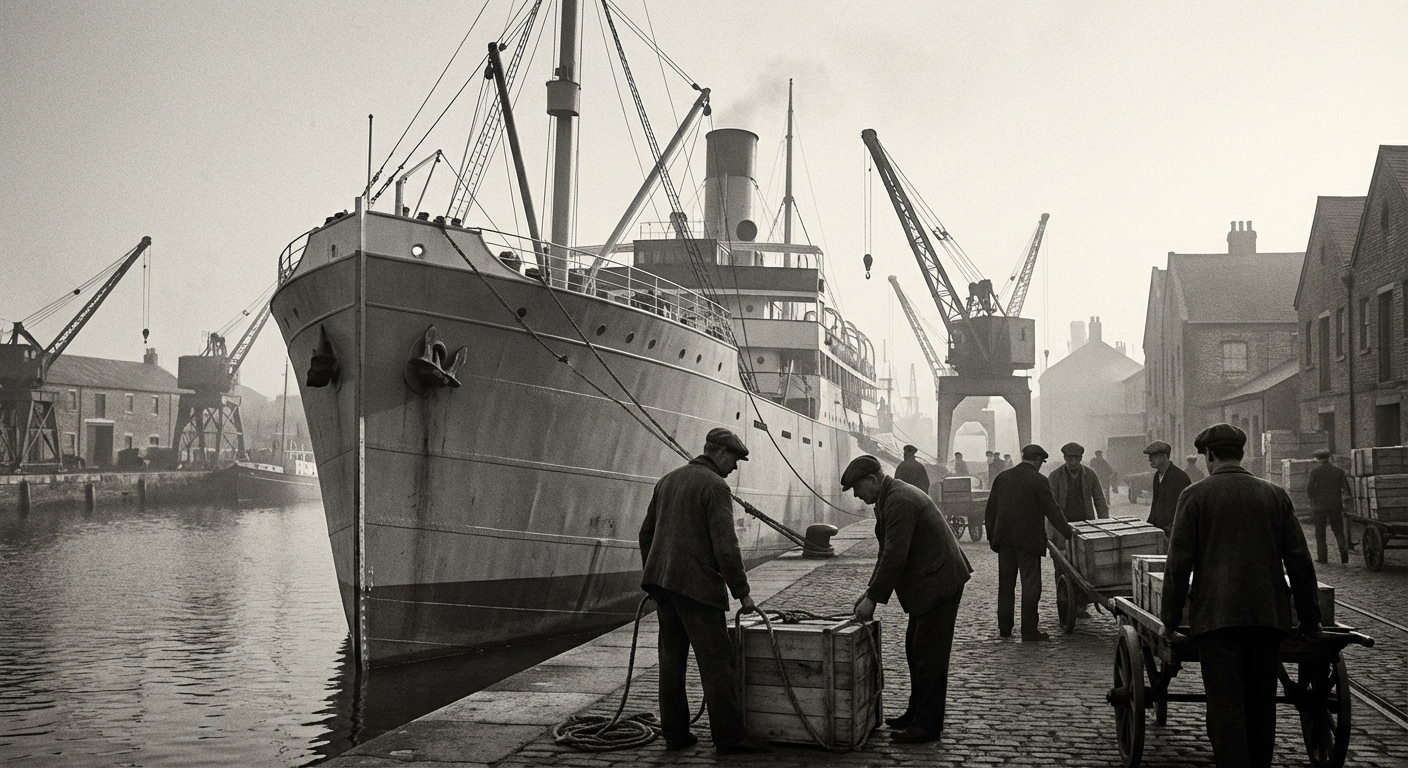
The Stellara appeared in the harbour mouth at twenty past five on Saturday morning, grey-hulled and heavy in the water, completing a twenty-six-day passage from Thessara via the Cape of Sarenne. She tied up at Berth 7 by half past six, and by eight o’clock the first crates were being unloaded onto the quayside.
Inside those crates: three hundred and eighty pounds of mixed eastern spice, including one hundred and twenty pounds of velveroot — more velveroot in a single shipment than the city has seen since before the Kaelmar crisis began in February.
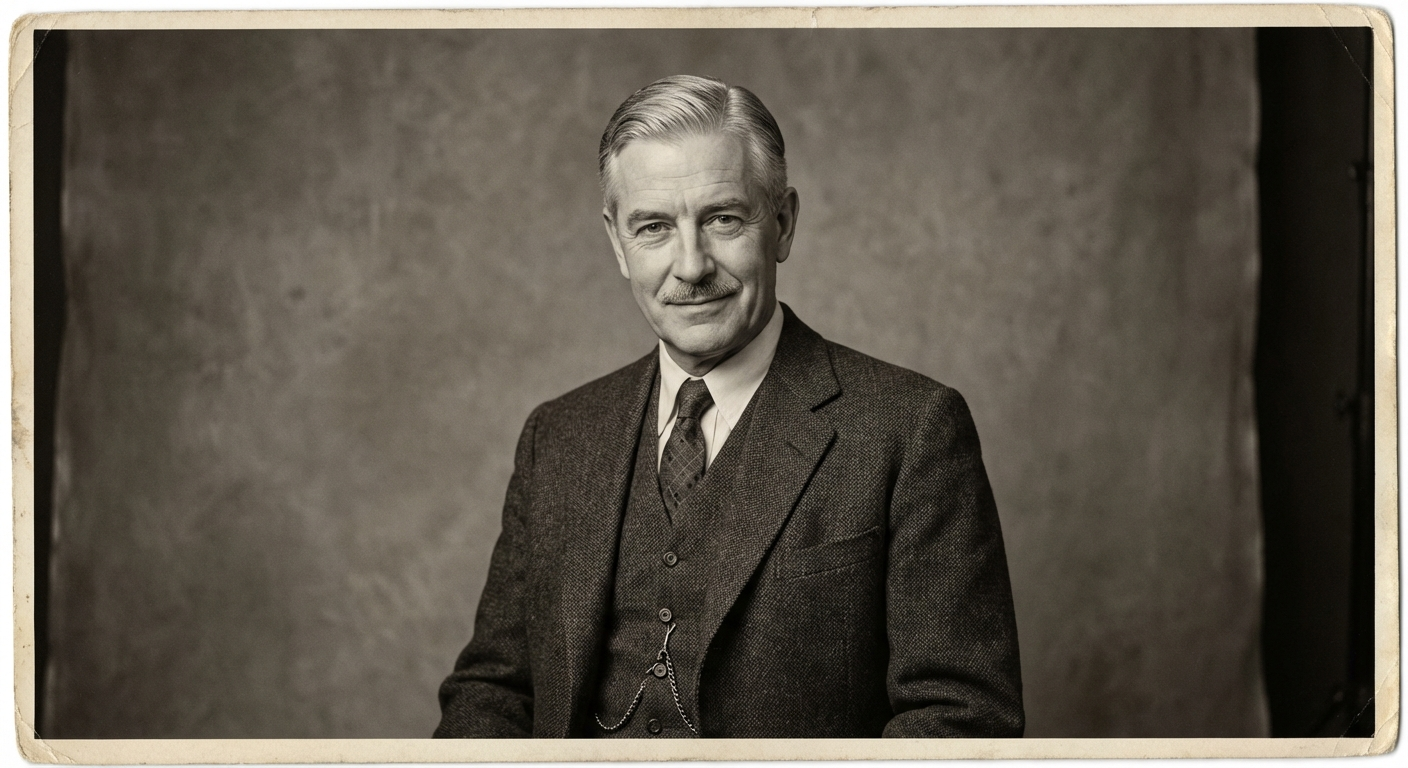
Captain Teodor Lindholm, sixty-two, who has been commanding the Stellara for nine years, described the Sarenne route with the weary frankness of a man who has spent nearly a month on it.
“Twenty-six days. We left in winter and arrived in spring. The route is fourteen days longer than the Strait. You eat a lot of soup.”
The Numbers
With the Stellara’s cargo, combined city spice reserves now exceed 1,400 pounds across all varieties. Velveroot stocks alone stand at approximately 216 pounds — more than sufficient through mid-May even without further deliveries. Black cardamom, saffron bark, golden peppervine, and smoked coriander seed are all at comfortable levels.
The Eastern Spice Index, the twelve-spice weighted basket tracked by the Bramblegate Exchange, closed Friday at 304 and fell further in Saturday’s indicative trading to 298 — its first reading below 300 since 7 February, and effectively at pre-crisis levels. The index peaked at 356 on 26 February.
Copper, that other barometer of the crisis, closed Friday at 808 florins per tonne — a thirteenth consecutive decline and the lowest price since late January. Markets are now pricing in the Kaelmar agreement, with technical annexes expected to be finalised at Thursday’s fifth session.
The Cost
The Sarenne rerouting has not been cheap. Merchants’ Guild records show a total of sixteen vessels diverted via the Cape since the strait disruption began, at an estimated cumulative cost of 2.3 million florins in additional fuel, insurance, crew wages, and spoilage. Fourteen merchants submitted diversion claims to the Bobington Insurance Exchange totalling approximately 580,000 florins, of which fewer than half have been settled.
The insurance market itself remains the last piece of the puzzle. Caspar Helmsley at Tidewater Mutual confirmed on Friday that the firm has still not written a new Kaelmar-route policy since 12 February. But — and this is notable — he added that the firm was “reviewing its position in light of developments.” That is the first shift in language from the insurance sector in five weeks.
“Principles do not underwrite cargo,” Helmsley said in February. He appears to be edging closer to pragmatism.
The Kitchens
The crisis reshaped Bobington’s restaurant trade in ways that may prove more durable than the disruption itself. Simeon Kade at The Willow Table restored his braised lamb shoulder last Wednesday to a full dining room, but he has kept the Greymoor herb preparations he developed as substitutes. Dominic Hale at The Ashen Grill says his Greymoor herb roast — born of necessity — now outsells his pre-crisis spiced duck two to one.
“We discovered something,” Hale said. “Turns out there were flavours twenty miles away that we’d been ignoring for years.”
Arlo Kessling at The Thirty-Mile Table, whose local-only sourcing model made him the accidental beneficiary of the crisis, has been fully booked since late February. His waiting list now stretches to April.
What Remains
The Commerce Committee has signalled it will review the emergency pricing ordinance petition “in light of improving supply conditions.” The 250-per-cent cap on Guild member pricing remains in force, though compliance is no longer a contentious issue. The six non-Guild merchants who were selling above the cap have all returned to normal pricing.
Haroun Nazari, who chaired the Spice Crisis Committee through the worst of it, was at the harbour on Saturday morning when the Stellara docked. He watched the crates come ashore and said nothing for a long time.
“We managed,” he said eventually. “That’s all. We managed.”