Somewhere in the harbour at Port Caravel, a merchant vessel is taking on cargo that will test whether the ink on Tuesday’s framework is worth the paper it was written on.
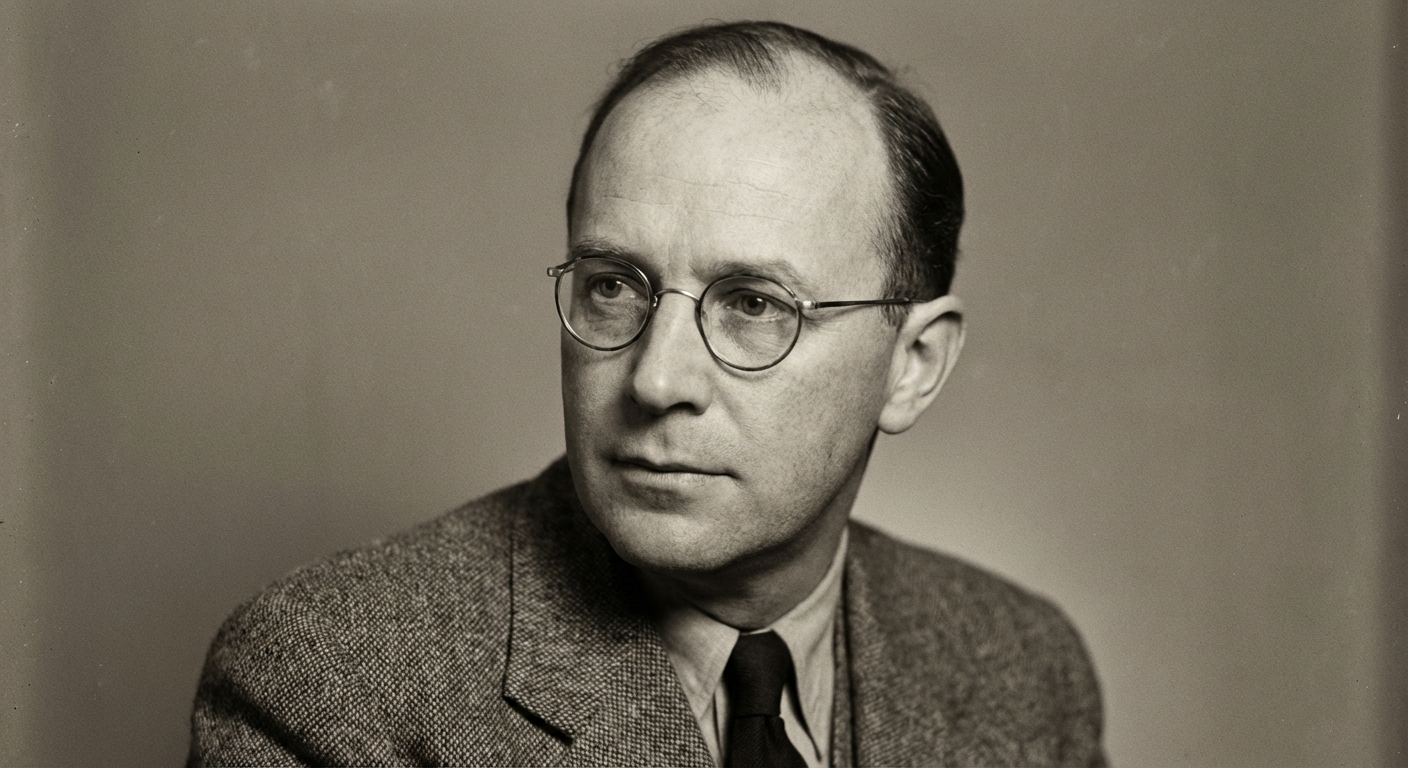
The Kestrel, a 1,200-tonne Delvarian-registered cargo vessel commanded by Captain Viggo Hagen, has been loading mixed goods — timber, machine parts, and bulk grain — since Wednesday morning. She is bound for Thessara via the Kaelmar Strait, and her departure, expected Friday, will mark the first commercial transit under the new Transit Corridor Framework.
Captain Hagen, fifty-two, a career merchant mariner from Kharstad with twenty-six years on the eastern routes, was characteristically terse when reached by wire.
“I have cargo. I have a route. I have insurance. That is enough.”
The insurance, in this case, is notable. Fairweather & Chalk, through senior underwriter Sybil Tremayne, has written the first Kaelmar-route cargo policy in six weeks — since the firm ceased underwriting strait passages in mid-February. The policy was written under the framework’s terms, with premiums capped at 140 per cent of pre-crisis rates.
“The framework provides the structure we needed,” Mrs Tremayne said. “We insure cargo, not geopolitics. The corridor, the inspection protocol, and the joint guarantee allow us to assess risk in a manner that is, for the first time since February, quantifiable.”
Through the Corridor
The Kestrel will transit the designated corridor through the northern channel — a route defined by the framework with specific speed limits, signalling requirements, and mandatory manifest submission to the Joint Maritime Inspection Commission forty-eight hours in advance.
The commission itself is not yet fully constituted. The Delvarian and Thessarine members have been nominated but not formally seated; the Ashford Republic’s Henrik Dahl, who signed the observer’s protocol on Tuesday, is expected to take his seat next week. In the interim, the framework provides for transit under provisional arrangements.
“The corridor exists on paper,” said Professor Elias Thornbury of the Bobington Institute for Foreign Affairs. “Captain Hagen will make it exist in practice. The first passage matters enormously. If it proceeds without incident, the second and third will follow quickly. If there is any friction — any delay, any challenge, any inspection that feels like harassment — the insurance market will notice.”
Eleven of the fourteen Bobington Insurance Exchange firms have now resumed Kaelmar-route underwriting. Harbourside Mutual and Blackwell & Pierce continue to withhold, with Harbourside citing “insufficient operational data” and Blackwell & Pierce offering no public comment.
The Eastern Trade Resumes
The Kestrel’s passage will take approximately four to five days from Port Caravel to Thessara, including the strait transit. If she arrives without incident, at least three further vessels are expected to follow within the week.
Copper closed Thursday at 734 florins per tonne — its twenty-first consecutive decline and the lowest price since early January. The Eastern Spice Index fell to 261, well below the pre-crisis baseline of 295. Markets, it appears, have priced in the peace.
Whether Captain Hagen shares that confidence is unclear. When asked by this newspaper’s correspondent in Port Caravel whether he was nervous, he replied: “I have been through the Kaelmar Strait four hundred times. The strait is the same. The paperwork is different.”
His manifest was submitted to the provisional commission on Wednesday evening. His insurance was bound on Thursday morning. He expects to weigh anchor at dawn on Friday.
The first keel through the corridor will be his.