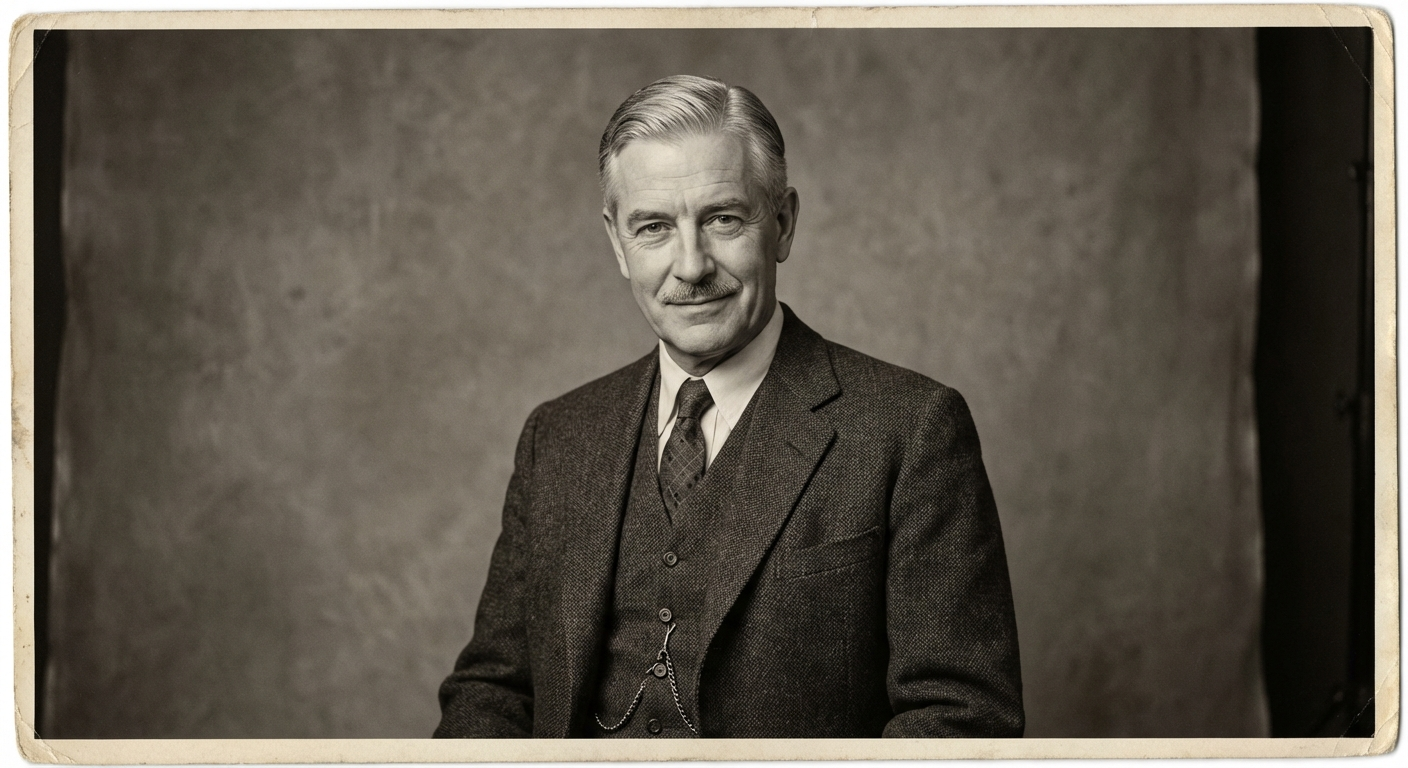
The Ashwater Paper Works, which has produced paper on the banks of the river in the Millgate district since 1914, will cease operations at the end of December. The announcement was made on Friday morning by Mrs Agnes Hartwell, the mill’s owner, in a letter to employees that was, fittingly, printed on Ashwater paper.
Forty-three workers will lose their positions. The mill is the last working paper mill within the city limits.
Mrs Hartwell, 71, is the granddaughter of Josiah Hartwell, who founded the mill in the year the Fernwick Bridge opened and the Great War began. Three generations of the family have run the works. There will not be a fourth.
“The decision was not made lightly,” Mrs Hartwell said in a brief statement to this newspaper. “It was made over the course of two years, during which I explored every alternative I could find. The costs of raw materials, the price of imported paper from the continent, and the age of our machinery have made it impossible to continue. I owe it to the workers to tell them now, so they have time to prepare.”
She paused. “My grandfather would be disappointed. But he would understand.”
The mill produces approximately 800 tonnes of paper per year — newsprint, bond paper, and specialty grades used by legal firms, the Municipal Chamber, and, among others, this newspaper. The Bobington Times has been printed on Ashwater paper for as long as anyone in the composing room can recall, which is to say at least forty years and probably longer.
Roland Jessup, the mill foreman, received the news at 7:15 AM on Friday, fifteen minutes before the rest of the workforce. He is fifty-seven years old and has worked at the mill for thirty-three of them.
“I started at nineteen,” Jessup said. “Pulp floor. Worked my way up. I know every machine in this building, and every machine in this building knows me.” He gestured at the main production hall — a long, high-ceilinged space of iron beams and whitewashed brick, noisy with the rhythmic thump of the beating engines and the hiss of the drying cylinders. “You can’t move this to a cheaper building. The river is the mill. The mill is the river.”
The Ashwater Paper Works draws its process water directly from the river through an intake built by the elder Hartwell in 1914 and modified in 1952. The discharge, filtered and treated, returns to the river two hundred yards downstream. The relationship between mill and river is not merely functional but chemical — the particular mineral composition of the Ashwater gives Ashwater paper its faintly warm tone, distinguishable to printers and paper merchants though invisible to most readers.
The economics are straightforward and unforgiving. Imported machine-finished paper from Verlaine and the Ashford Republic arrives at Bobington docks at approximately 30 per cent below Ashwater’s production cost. The mill’s Fourdrinier machines — the long, flat devices that form the paper from pulp — date from 1937 and 1953 respectively. Replacement would cost upwards of 400,000 florins, an investment that the scale of the operation cannot justify.
“We are not inefficient,” Jessup said. “We are small. That is not the same thing.”
Mrs Hartwell confirmed that all forty-three employees will receive full notice and that she is exploring whether any of the mill’s equipment or expertise might be preserved. “There are people in this building who know how to make paper by hand, from pulp to sheet. That knowledge has value. I do not want it to walk out the door and vanish.”
The Docklands Workers’ Association, through foreman Patrick Seldon, issued a brief statement expressing concern for the workers and offering the Association’s support in finding alternative employment. “Forty-three families,” Seldon said. “That’s forty-three kitchen tables.”
The mill will continue normal production through December. Customers requiring paper supply beyond January 2027 will need to secure alternative arrangements.
This newspaper is among them.