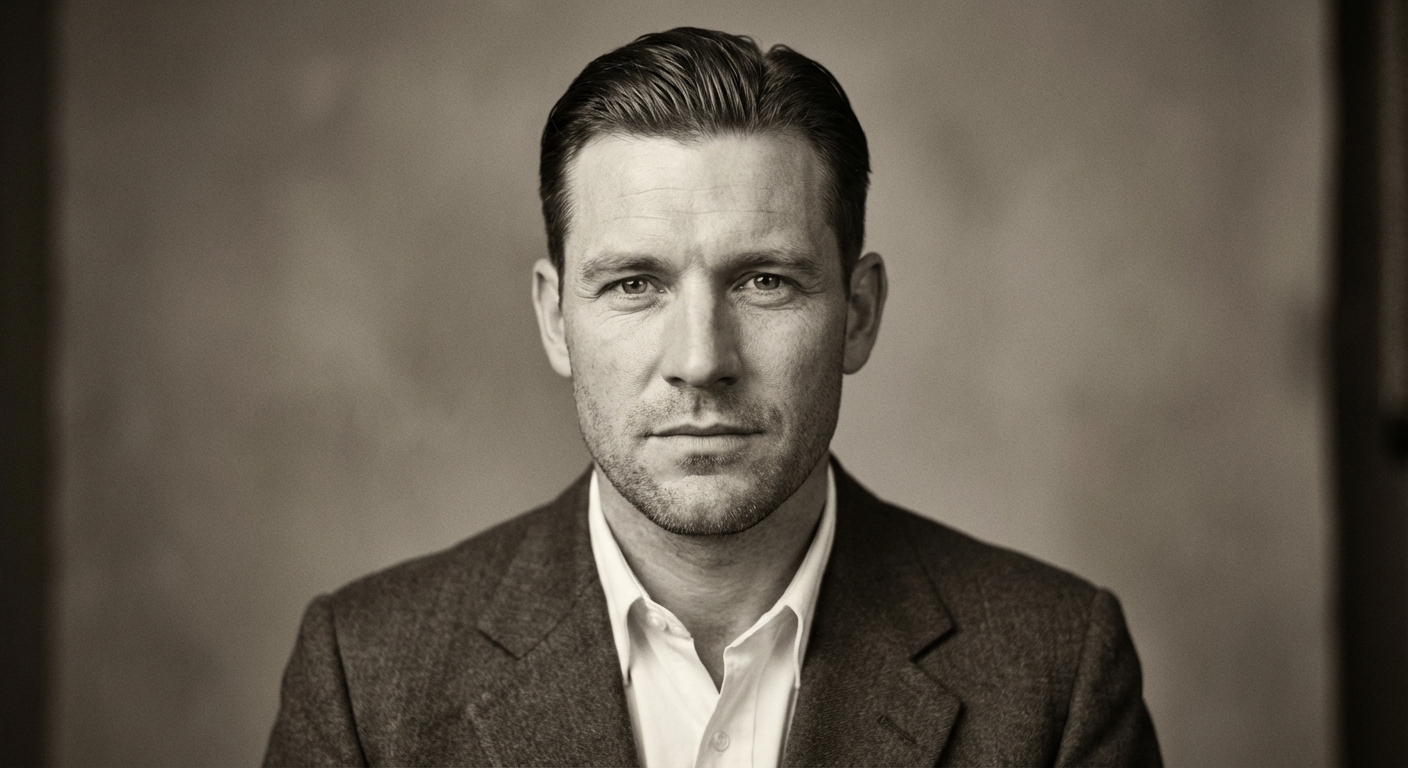
The bones belong to the shepherd.
Laboratory results delivered to Dr Maren Huxley at Bobington Polytechnic on Wednesday morning confirm that the skeletal remains discovered on 19 March at the Dunvale mining memorial construction site date to between 1680 and 1710 — a range that encompasses the 1698 burial entry for Thomas Garland in the parish ledger of St Cuthbert’s Church.
“The radiocarbon dating is consistent with a burial in the late seventeenth century,” Dr Huxley said, standing at the entrance to the Polytechnic’s archaeological laboratory, where the remains have been housed since their careful extraction from the hilltop. “The soil mineral analysis narrows it further. Given the stratigraphic evidence, the physical profile, and the burial orientation, I am satisfied that these remains are those recorded in the 1698 ledger.”
Thomas Garland was a shepherd. He was in his mid-thirties. He stood approximately five feet seven inches. He was buried in an east-west Christian orientation with stone lining and no coffin, on the high ground above the Dunvale valley — the place he called his own.
For three hundred and twenty-eight years, he has lain beneath the hill, unnamed.
The Ledger Speaks
Reverend Edith Blackwood, who found the critical marginal annotation in the parish records last week, received the news at St Cuthbert’s vestry on Wednesday afternoon.
“I confess I wept,” she said simply. “Not for sorrow. For relief. He has been waiting a long time to be known.”
The annotation, written in a hand different from the main register — likely the curate’s — reads: “Thos. Garland, a shepherd of the high ground, who desired burial where he could see the vale, at the place he called his own.”
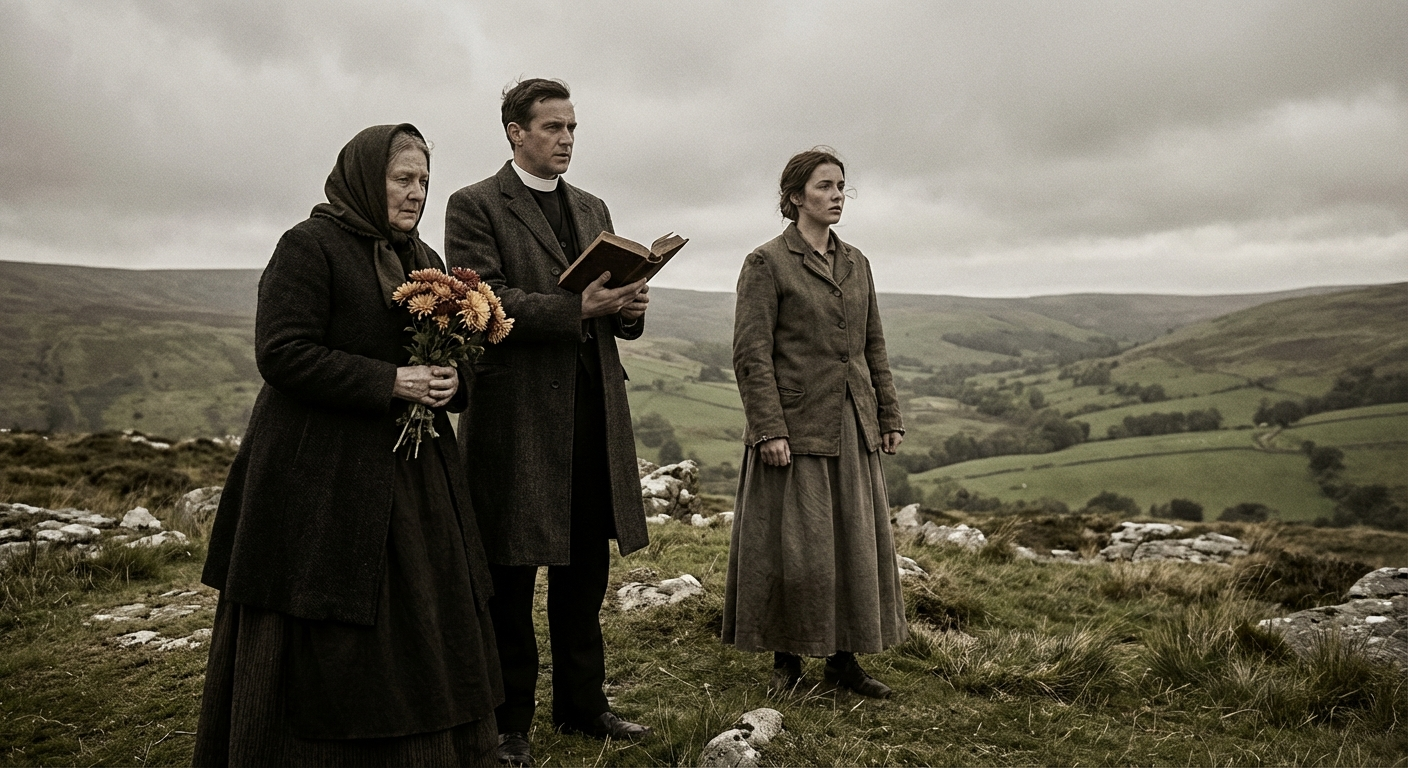
By Thursday morning, Reverend Blackwood had travelled to the memorial construction site with Dr Huxley and read the entry aloud at the graveside. Foreman Callum Sayer and three members of his crew stood with them. Bess Holloway, eighty-one years old, was there too, driven up from Edgeminster by her son Michael.
“He kept watch over the vale,” Mrs Holloway said, looking out over the valley she has visited every March since 1963. “Now we’ll keep watch over him.”
A Question of Reburial
The discovery raises a question that Reverend Blackwood and Dr Huxley are approaching with care: should Garland be reinterred at St Cuthbert’s churchyard, or remain where he chose to lie?
The parish ledger is unambiguous about his wishes. He desired burial on the high ground. The memorial construction, which continues around the rerouted drainage trench, does not disturb the grave.
“There is a strong argument for leaving him in place,” Dr Huxley said. “The original burial was deliberate and considered. The stone lining was not casual — someone took care. Moving him to the churchyard would be convenient for us, but it was not what he asked for.”
Reverend Blackwood agreed. “The hill was his parish,” she said. “I think we should mark the spot, and let him be.”
A small memorial marker, separate from the mining memorial, is being discussed between the parish, the Polytechnic, and the memorial committee. Sayer has offered to set the stone himself.
“We came here to remember forty-one miners,” Sayer said. “We found a shepherd who got here first. We’ll do right by all of them.”
The memorial construction continues on schedule, with Ines Cavallo’s forty-one bronze figures expected from the Port Caravel foundry in May. The forty-second resident of this hilltop will keep his place beside them.